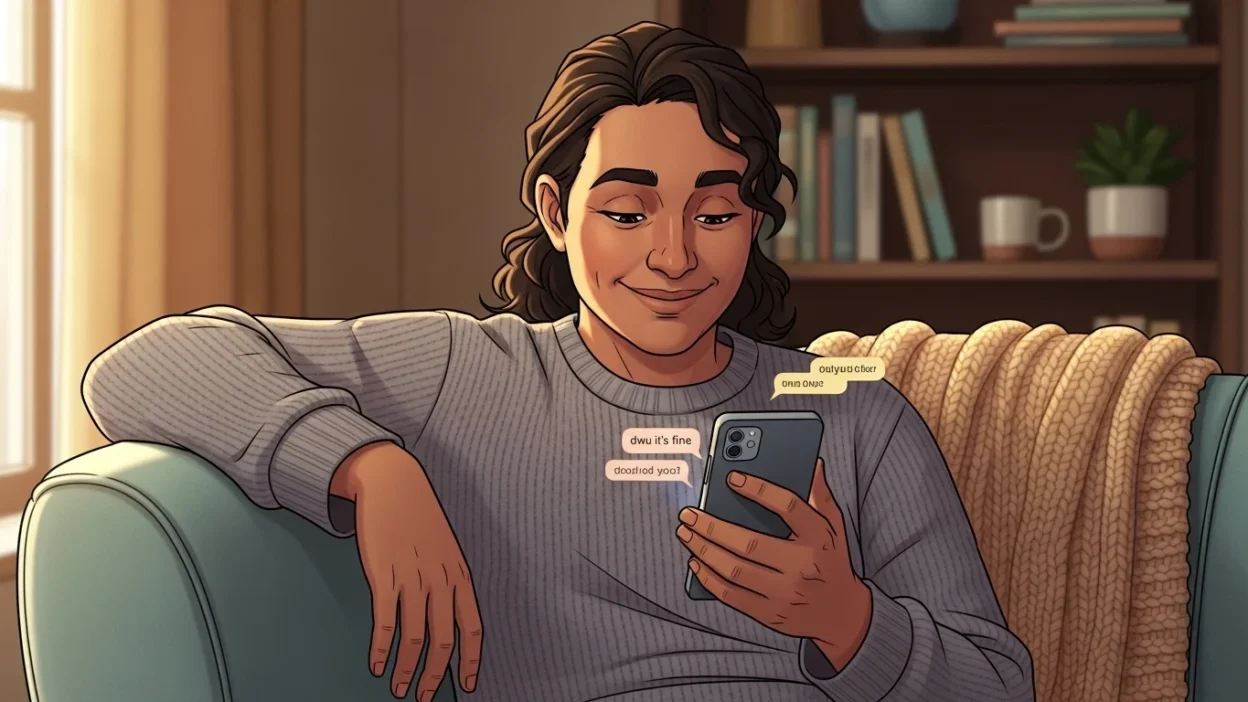
You’re texting someone, and suddenly they reply with “dwu.” At first, it feels confusing because it looks like random letters. However, when you read the full message, you realize it fits the situation.
Because texting slang moves fast, people shorten full phrases into quick abbreviations. As a result, DWU meaning in text is becoming more common in chats and social media.
Therefore, if you have seen DWU and want a clear, simple explanation, this guide will help you understand it instantly.
Quick Answer
DWU in text usually means “Don’t Wait Up,” and people use it to tell someone not to stay awake for them.
What Does DWU Mean in Text?
First of all, DWU meaning in text stands for “Don’t Wait Up.” People use it when they know they will be late or busy, so they tell the other person not to wait for them.
Because texting is fast, DWU became a quick way to say a full sentence in just three letters.
Full Form
DWU = Don’t Wait Up
Plain-English Explanation
In simple words, DWU means “you don’t need to wait for me.”
People usually type DWU when:
- they will be late
- they are busy
- they don’t want someone to stay awake
- they want to be considerate
Example Sentence
“i’ll be late tonight, dwu”
Here, the person is saying don’t wait up for me.
Why People Use DWU
People use DWU because:
- First, it saves time while typing.
- Next, it sounds polite and thoughtful.
- Also, it fits casual conversations.
- Finally, it keeps messages short and clear.
In simple terms: DWU means “Don’t Wait Up,” and people use it when they will be late.
Where Is DWU Commonly Used?
Now let’s explore where people usually use DWU in online conversations.
1. Text Messages
People often use DWU in everyday texting.
Example:
“working late, dwu”
2. Chat Apps
It appears in chats like:
- Messenger
- Snapchat
Example:
“i’ll be out late, dwu”
3. Personal Conversations
Because it is polite, DWU is common in close conversations.
Example:
“movie night will go late, dwu”
Tone of DWU
The tone of DWU usually feels:
- Caring
- Casual
- Friendly
- Informal
However, it is not suitable for formal writing.
Real Chat Examples Using DWU
Here are realistic texting-style examples that show how people use DWU naturally:
- “i’ll be late tonight, dwu”
- “working overtime, dwu”
- “i’ll call tomorrow, dwu”
- “out with friends, dwu”
- “i’ll get home late, dwu”
- “busy tonight, dwu”
- “don’t stay up, dwu”
- “i’ll text later, dwu”
- “long day today, dwu”
Clearly, DWU is used to tell someone not to wait.
When to Use DWU (And When Not To)
Even though DWU meaning in text is simple, context still matters.
When You Should Use DWU
You can use DWU when:
- texting family or friends
- telling someone you’ll be late
- showing care
- chatting casually
- sending quick updates
Example:
“i’ll be late, dwu”
When You Should Not Use DWU
However, avoid DWU in:
- work emails
- business communication
- formal writing
- official messages
- professional chats
Instead, write: “Please don’t wait up for me.”
Quick Comparison Table
| Context | Example Phrase | Why It Works / Doesn’t Work |
|---|---|---|
| Casual chat | “i’ll be late dwu” | Perfect usage |
| Family text | “working late dwu” | Works well |
| Work email | “i’ll be late dwu” | Too informal |
| Formal message | “dwu tonight” | Not appropriate |
Therefore, always match slang with the situation.
Similar Slang Words and Alternatives
Because texting culture includes many shortcuts, here are some alternatives:
| Slang | Meaning | When to Use |
|---|---|---|
| Don’t wait | Clear version | Casual chats |
| I’ll be late | Simple message | Everyday use |
| Catch you later | Friendly tone | Informal chats |
| Talk tomorrow | Delay conversation | Casual use |
| No need to wait | Polite phrase | Semi-formal |
Quick Explanation
Don’t wait
The simplest full version of DWU.
Catch you later
More casual and friendly.
No need to wait
Slightly more polite and clear.
All these help in modern texting conversations.
Frequently Asked Questions
What does DWU mean in texting?
DWU means “Don’t Wait Up,” and people use it when they will be late.
Is DWU common slang?
It is not extremely common, but people still use DWU in casual chats.
Is DWU formal or informal?
DWU is informal, so it works best in casual communication.
Can DWU be used on social media?
Yes. People sometimes use DWU in chats and messages.
Is DWU polite?
Yes. It shows care because you don’t want someone to wait.
Who uses DWU?
Friends, family members, and people in close conversations use DWU.
Should DWU be used in professional messages?
No. Professional communication should use full sentences.
Final Thought
Texting slang keeps evolving, and people continue creating shorter ways to communicate quickly. DWU meaning in text is a great example of how a full sentence becomes a simple abbreviation.
Most of the time, DWU means “Don’t Wait Up.” People use it when they want to inform someone they will be late in a polite and caring way.
You will commonly see DWU in personal messages and casual chats. However, because it is informal slang, it should not be used in professional communication.
So next time you see “dwu”, you will instantly understand what it means.

Zevran Callix works on the Wordifs site creating clear informative articles while collaborating through wordifs@gmail.com to maintain consistency quality research readability and reader focused blogging standards worldwide digital content platform.