
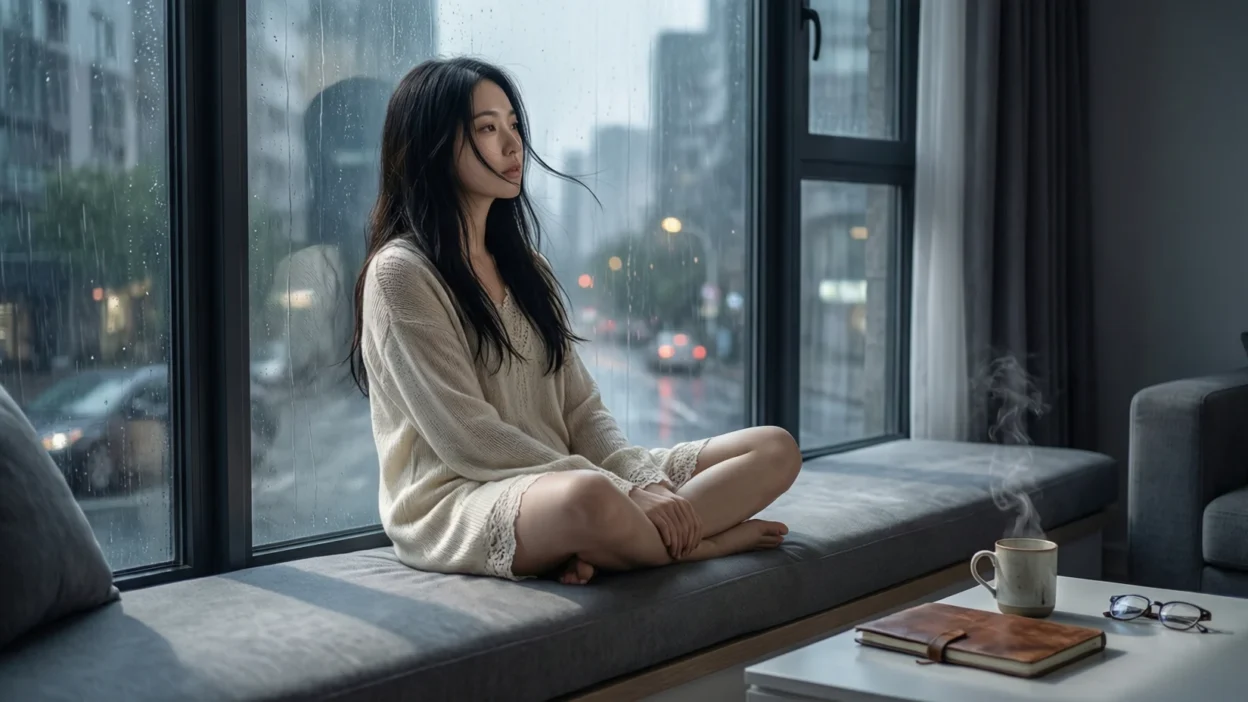
At some point, almost everyone has felt a quiet sadness that doesn’t come from anything obvious.
You’re not crying, not angry, and not exactly depressed but you feel heavy, thoughtful, and distant. That feeling is often described as melancholy.
The word shows up in books, poems, music, and even casual conversations online. It sounds deep and emotional, but many people aren’t fully sure what it really means. Once you understand it, the word becomes much easier to recognize and use correctly.
Quick Answer:
Melancholy means a deep, quiet, thoughtful sadness that lasts for a while.
What Does Melancholy Mean?
Simple Meaning In Plain English
Melancholy describes a gentle but lasting sadness. It’s not loud or dramatic. Instead, it feels calm, reflective, and heavy inside.
In simple words, melancholy is:
- sadness without a clear reason
- a thoughtful or reflective mood
- a calm emotional heaviness
It’s more about feeling than reacting.
Example:
“the rainy evening gave him a feeling of melancholy.”
Clear meaning: a soft, thoughtful sadness.
Where Does The Word Melancholy Come From?
Origin Of Melancholy
The word melancholy comes from ancient Greek. It originally referred to an old medical belief about body fluids.
- melas = black
- chole = bile
People once believed too much “black bile” caused sadness. While the science is outdated, the emotional meaning of the word stayed.
Today, melancholy has nothing to do with health—it only describes a mood or feeling.
How Melancholy Is Different From Other Sad Emotions
Melancholy Vs Sadness
- sadness → short-term, emotional reaction
- melancholy → longer-lasting, quiet feeling
Melancholy Vs Depression
- depression → medical condition
- melancholy → emotional state
Melancholy can come and go. Depression usually needs professional support.
How Melancholy Is Used In Everyday Language
In Writing And Art
Melancholy is common in:
- poetry
- novels
- music lyrics
- films
Artists use it to express depth and emotion.
In Conversation
People may say:
- “i feel a little melancholy today.”
- “that song has a melancholy vibe.”
The tone is usually soft, serious, and reflective.
Can Melancholy Be A Positive Feeling?
Emotional Depth
Surprisingly, yes. Some people enjoy melancholy moments because they:
- encourage self-reflection
- feel meaningful
- connect emotions with creativity
That’s why the word is often used in art and storytelling.
When To Use Melancholy And When Not To
When Melancholy Fits
- describing moods
- talking about music or art
- reflective conversations
When Not To Use It
- casual jokes
- light or happy situations
- replacing medical terms like depression
Using it correctly shows emotional awareness.
Real Life Examples Using Melancholy
Example 1
“the sunset filled her with melancholy.”
Example 2
“the movie had a slow, melancholy tone.”
Example 3
“he felt melancholy thinking about old memories.”
These examples show the calm and thoughtful nature of the word.
Common Questions About Melancholy
Is melancholy the same as being sad?
No. It’s deeper and more reflective than normal sadness.
Is melancholy a mental illness?
No. It’s an emotional state, not a diagnosis.
Can melancholy last a long time?
Yes, but it usually fades on its own.
Is melancholy always negative?
Not always. It can feel meaningful or creative.
Is melancholy still used today?
Yes, especially in writing, music, and emotional expression.
Final Thought
So, what does melancholy mean? It describes a quiet, thoughtful sadness that sits gently in the background of your emotions.
It’s not loud or overwhelming, but it carries depth and reflection. Whether used in art, conversation, or personal expression, melancholy helps explain feelings that are hard to put into simple words.