If you’ve watched Spanish movies, listened to Latin music, or heard family conversations, you’ve probably heard someone say “mijo.”
It often sounds warm and emotional, but its meaning isn’t always clear to non-Spanish speakers.
“Mijo” is more than just a word. It carries affection, culture, and emotional connection. Understanding what it means helps you understand Spanish-speaking families and everyday conversations better.
The Meaning Of Mijo Explained
What Mijo Literally Means
Mijo comes from combining two Spanish words: “mi hijo.”
- mi = my
- hijo = son
When spoken quickly, mi hijo becomes mijo.
Simple Meaning In Plain English
Mijo means “my son”, but people also use it as a loving term for someone younger or someone they care about deeply.
Quick summary: Mijo is an affectionate Spanish term meaning “my son” or a loving way to address someone.
How Spanish Speakers Use Mijo
A Term Of Affection
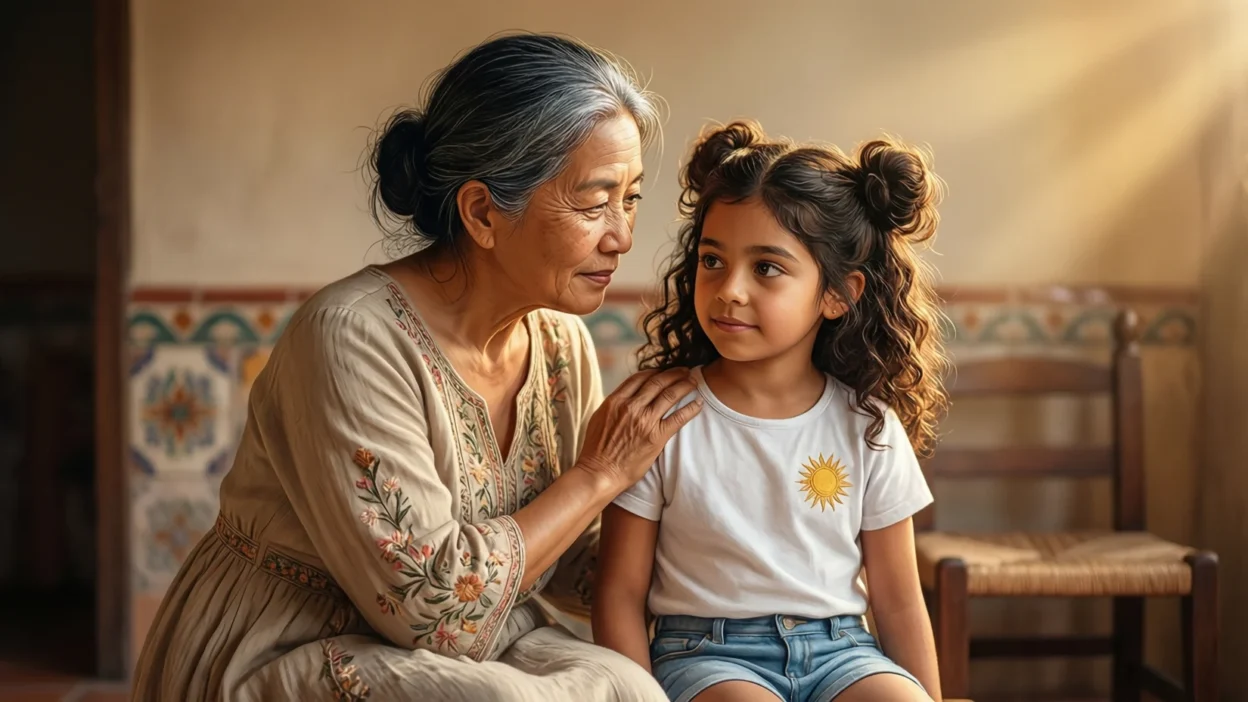
Parents, grandparents, and elders often use mijo to show love, care, or comfort.
Not Always Literal
People don’t only use mijo for their actual son. They may say it to:
- a nephew
- a younger family member
- a close family friend
Emotional Tone
The word feels warm, caring, and gentle.
Where You Commonly Hear Mijo
Family Conversations
Parents often say mijo when giving advice or showing concern.
Everyday Speech
Older adults may use it when speaking kindly to younger people.
Movies And TV Shows
Latin films and shows often use mijo to show close relationships.
Tone: affectionate and informal
Usage: casual and emotional
Real-Life Examples Using Mijo
- “come here, mijo”
- “are you okay, mijo?”
- “listen to me, mijo”
- “good job, mijo”
- “don’t worry, mijo”
- “eat your food, mijo”
- “i’m proud of you, mijo”
Mijo Compared To Similar Spanish Words
Mija
The female version of mijo. It means “my daughter.”
Hijo
Means son, without the affectionate “my.”
Cariño
A general term of affection meaning darling or dear.
When To Use Mijo And When Not To
Do Use Mijo When
- speaking to someone younger
- showing care or comfort
- talking in a family setting
Don’t Use Mijo When
- speaking formally
- addressing strangers in professional settings
- talking to elders or authority figures
Quick Comparison Table
| Situation | Example | Why It Works Or Doesn’t |
|---|---|---|
| parent to child | “mijo, be careful” | loving |
| grandparent talk | “come here, mijo” | affectionate |
| workplace meeting | using mijo | too informal |
| stranger | calling mijo | may feel inappropriate |
Cultural Importance Of Mijo
Family-Centered Meaning
Mijo reflects strong family values in Spanish-speaking cultures.
Emotional Connection
The word creates warmth and closeness in conversations.
Respect And Care
Using mijo often shows guidance, protection, and love.
Frequently Asked Questions (FAQs)
Is Mijo Only Used For Boys?
Mostly yes, but some people use it casually for anyone younger.
Is Mijo A Slang Word?
No. It’s informal but widely accepted in everyday Spanish.
Can Friends Say Mijo?
Yes, especially older friends or mentors.
Is Mijo Used In All Spanish-Speaking Countries?
Yes, though frequency may vary.
Is Mijo Respectful?
Yes, when used in the right context.
Can Non-Spanish Speakers Use Mijo?
Yes, but understanding tone and context matters.
Final Thoughts
Mijo is a small word with deep emotional meaning. It represents love, care, protection, and family connection in Spanish speaking cultures.
While it literally means “my son,” its real value comes from how warmly people use it.
Understanding mijo helps you better understand Spanish conversations, movies, and family dynamics.
When used correctly, it adds kindness and warmth to communication. Knowing words like mijo builds cultural awareness and deeper human connection.

Zevran Callix works on the Wordifs site creating clear informative articles while collaborating through wordifs@gmail.com to maintain consistency quality research readability and reader focused blogging standards worldwide digital content platform.