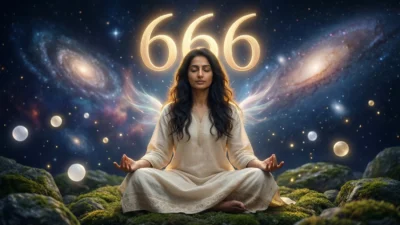
You may have heard namaste at the end of a yoga class, seen it written under a peaceful quote on social media, or heard someone say it with folded hands. At first, it sounds like a simple greeting but it feels deeper than just “hello.” There’s calm in the word, respect in the gesture, and something quietly powerful behind it.
Many people use namaste today without fully knowing what it represents. That’s why understanding the namaste meaning matters. It’s not just a trendy word or spiritual catchphrase—it carries centuries of culture, humility, and connection.
Quick Answer: Namaste means “I bow to you” or “the divine in me honors the divine in you.”
What Does Namaste Mean?
Namaste is a traditional word with deep cultural and spiritual roots.
Literal meaning
- Namaḥ = bow
- Te = to you
So, namaste literally means “I bow to you.”
Plain-English explanation
When someone says namaste, they are expressing:
- respect
- humility
- acknowledgment of another person
It’s more than a greeting—it’s a gesture of honor.
Simple example sentence
“she greeted her elders with a gentle namaste.”
Bold summary: Namaste is a respectful greeting that means “I bow to you.”
Cultural and Spiritual Meaning of Namaste
Namaste comes from Indian traditions, especially Hinduism, Buddhism, and yoga philosophy.
Deeper meaning
Spiritually, namaste is often understood as:
“the divine light in me recognizes and honors the divine light in you.”
This idea reflects:
- equality
- shared humanity
- inner worth
That’s why the word feels calm and meaningful.
The Namaste Gesture (Hand Position)
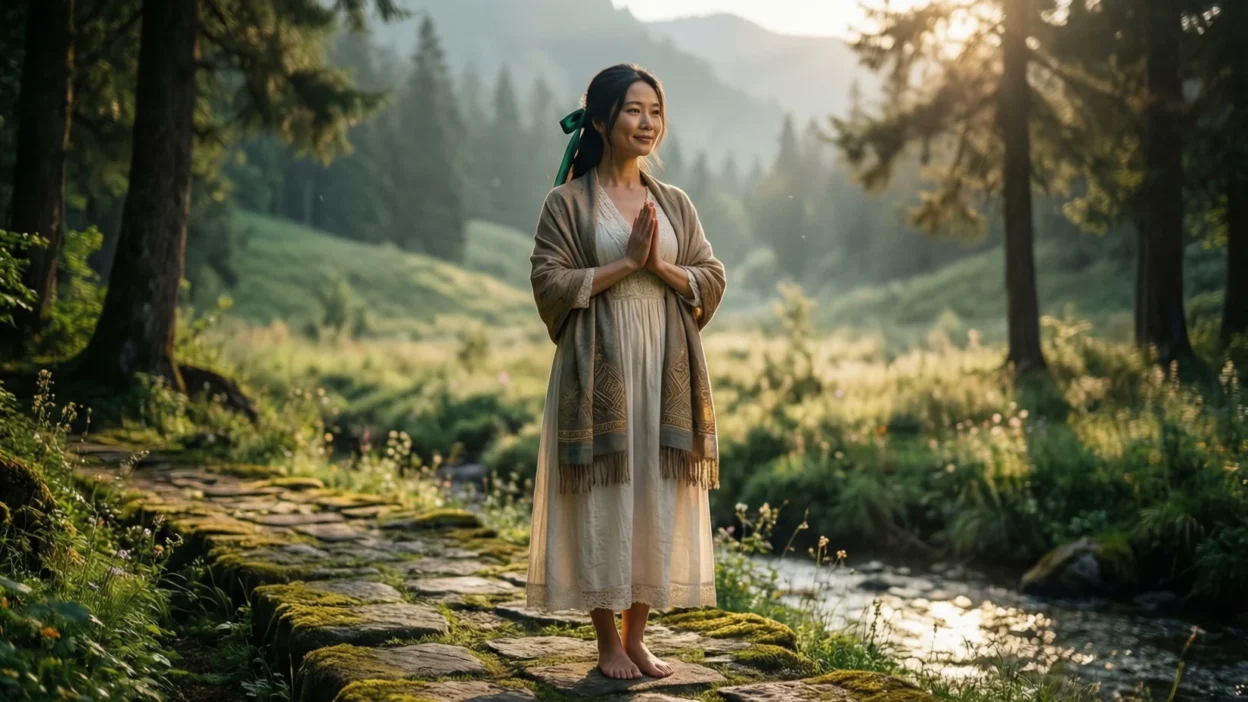
Namaste is usually said with a gesture called anjali mudra.
How it’s done
- palms pressed together
- hands placed at the chest
- slight bow of the head
The gesture adds sincerity and respect to the word.
Where Is Namaste Commonly Used?
Namaste is used in both traditional and modern settings.
Common places
- India and South Asia
- yoga classes
- meditation spaces
- spiritual events
- respectful greetings
Tone and formality
- Tone: calm, respectful
- Formality: neutral to formal
- Emotion: peaceful, humble
It’s not slang and not casual texting language.
Namaste in Modern Usage
Today, namaste has expanded globally.
How people use it now
- greeting or farewell
- expression of peace
- yoga culture phrase
- spiritual symbolism
While popular worldwide, it’s still important to use it respectfully, not casually or sarcastically.
Realistic Examples of Namaste in Use
Here are natural examples showing how namaste is used:
- “the teacher ended the session with namaste”
- “he greeted his grandparents with namaste”
- “namaste is used as both hello and goodbye”
- “she whispered namaste and bowed slightly”
- “the word namaste carries deep respect”
- “they exchanged a quiet namaste”
- “namaste symbolizes peace and unity”
These reflect respectful and thoughtful use.
When to Use and When Not to Use Namaste
✅ Do use namaste when:
- greeting respectfully
- in cultural or spiritual settings
- practicing yoga or meditation
- showing humility
❌ Don’t use namaste when:
- joking or mocking
- casual slang conversations
- sarcastic remarks
- without understanding its meaning
Comparison table
| Context | Example | Why it works / doesn’t |
|---|---|---|
| yoga class | “namaste everyone” | respectful |
| cultural greeting | “namaste aunty” | appropriate |
| joke | “namaste bro lol” | disrespectful |
| sarcasm | “namaste whatever” | misused |
Words Similar to Namaste
| Word | Meaning | When to use |
|---|---|---|
| hello | greeting | casual |
| salaam | peace greeting | cultural |
| bow | show respect | formal |
| greetings | neutral welcome | general |
| peace | calm intention | symbolic |
Namaste stands out because of its spiritual depth.
FAQs
What does namaste mean literally?
It means “I bow to you.”
Is namaste religious?
It has spiritual roots but is also used culturally.
Is namaste a greeting or farewell?
It can be both.
Is namaste used only in yoga?
No, it’s widely used in South Asian culture.
Is it okay to say namaste casually?
It should be used respectfully, not casually or jokingly.
What does the namaste gesture mean?
It represents humility, respect, and unity.
Final Thought
The namaste meaning goes far beyond a simple word. It represents respect, equality, and a quiet recognition of shared humanity.
In a fast-moving world, namaste reminds us to slow down, acknowledge one another, and approach interactions with humility and grace.
Whether spoken aloud, shared through a gesture, or understood silently, namaste carries a timeless message: that every person deserves respect, and that connection begins with honoring one another.
Used thoughtfully, it becomes not just a greeting but a way of seeing people.

Kalven Driost works on the Wordifs site producing reliable content while communicating through wordifs@gmail.com to support research editing publishing consistency transparency and audience focused knowledge sharing practices for modern readers.