
You’ve probably heard someone say, “look at it from another perspective.” People use this word often in conversations, school, social media, and even arguments.
Still, many don’t fully understand what perspective really means or why it matters so much.
Perspective shapes how we see the world. It influences opinions, reactions, decisions, and even relationships.
Understanding this word helps you communicate better and think more clearly in everyday life.
Understanding The Meaning Of Perspective
Simple Definition
Perspective means the way a person sees, understands, or thinks about a situation, idea, or event.
Plain-English Explanation
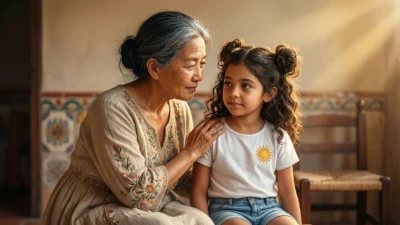
Perspective is your personal point of view. It comes from your experiences, beliefs, emotions, and background. Two people can look at the same situation but understand it differently because they have different perspectives.
One Easy Example
“from her perspective, the comment sounded rude.”
Quick summary: Perspective means a person’s point of view or way of understanding something.
Different Types Of Perspective
Personal Perspective
This comes from your own life experiences, feelings, and values.
Cultural Perspective
Culture, traditions, and society shape how people think and react.
Professional Perspective
A job or field of study influences how someone sees a problem, such as a doctor or teacher.
Artistic Perspective
In art and photography, perspective shows depth and distance in visuals.
Why Perspective Is Important
Improves Communication
Understanding perspective helps reduce misunderstandings and conflicts.
Builds Empathy
Seeing things from another angle helps you understand others’ feelings.
Helps Decision-Making
Different perspectives lead to better and more balanced choices.
Where The Word Perspective Is Commonly Used
Daily Conversations
People use it when sharing opinions or explaining feelings.
Education And Learning
Teachers encourage students to analyze topics from multiple perspectives.
Social Media And Online Discussions
Different perspectives often appear in comments, posts, and debates.
Tone: neutral and thoughtful
Usage: casual, academic, and professional
Real-Life Examples Using Perspective
- “try to see it from his perspective”
- “my perspective changed over time”
- “that’s her personal perspective”
- “from a business perspective, it makes sense”
- “we need a fresh perspective”
- “everyone has a different perspective”
- “social media shapes perspective”
When To Use Perspective And When Not To
Do Use Perspective When
- discussing opinions or beliefs
- explaining feelings or reactions
- comparing viewpoints
Don’t Use Perspective When
- stating proven facts
- giving exact data or numbers
- describing rules or laws
Quick Comparison Table
| Situation | Example | Why It Works Or Doesn’t |
|---|---|---|
| opinion | “from my perspective” | fits well |
| debate | sharing viewpoints | useful |
| math answer | “my perspective” | not suitable |
| facts | personal view | unnecessary |
Related Words And Alternatives
Point Of View
A common phrase with a similar meaning.
Outlook
Focuses more on attitude or future view.
Mindset
Refers to thinking habits or beliefs.
Angle
Often used informally to describe an approach.
Frequently Asked Questions (FAQs)
Is Perspective The Same As Opinion?
They are related, but perspective includes experiences and background, not just opinions.
Can Perspective Change Over Time?
Yes. New experiences often change perspective.
Is Perspective Always Personal?
Mostly yes, but groups and cultures also share perspectives.
Why Do People Have Different Perspectives?
Life experiences, culture, education, and emotions shape them.
Is Perspective Used In Art?
Yes. Artists use perspective to show depth and distance.
Can Understanding Perspective Reduce Conflict?
Yes. It helps people understand each other better.
Final Thoughts
Perspective plays a powerful role in how people think, feel, and communicate.
It explains why two people can see the same situation yet react in completely different ways.
Understanding perspective helps you listen better, judge less, and respond more wisely.
When you learn to respect different perspectives, conversations become healthier and decisions become smarter.
This simple concept improves relationships, learning, and personal growth. Seeing beyond your own view opens the door to deeper understanding and stronger connections.

Orvian Treloux works on the Wordifs site developing structured blogs coordinating via wordifs@gmail.com to ensure accuracy originality clarity usefulness engagement and long term trust among global readers across digital platforms.