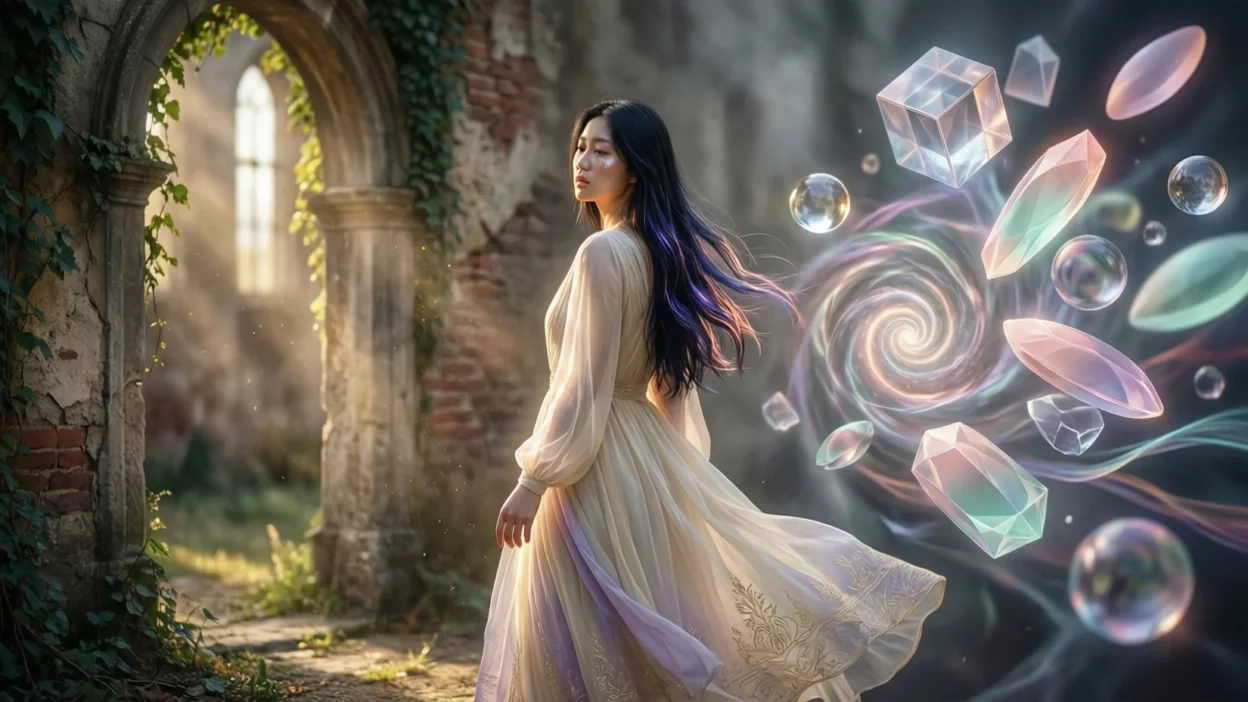
Have you ever experienced something so strange or unexpected that you had to stop and ask yourself, “is this even real?” Maybe time felt slow, colors seemed brighter, or the moment felt dreamlike almost unreal. People often describe those moments as surreal, especially when reality doesn’t feel quite normal.
The word surreal shows up everywhere today—movies, social media captions, emotional conversations, and even everyday storytelling. It’s commonly used, but not always fully understood. Learning the surreal meaning helps you express moments that feel unusual, dreamlike, or hard to explain.
Quick Answer: Surreal means something that feels unreal, dreamlike, or strangely disconnected from normal reality.
What Does Surreal Mean?
Surreal describes experiences, images, or moments that don’t feel fully real.
Plain-English explanation
Something surreal feels:
- dreamlike
- strange or unreal
- oddly familiar but not normal
- emotionally overwhelming
It often happens when your mind struggles to process what’s happening.
Why people use the word
- to describe intense moments
- to explain emotional shock
- to talk about unusual art or scenes
- to express disbelief
Simple example sentence
“standing on that stage felt completely surreal.”
Bold summary: Surreal means something feels unreal, dreamlike, or strangely out of touch with reality.
Where Does the Word Surreal Come From?
The word surreal comes from surrealism, an art movement.
Origin
- From French surréalisme
- Means “above reality” or “beyond reality”
Artists used surrealism to show:
- dreams
- imagination
- subconscious thoughts
Over time, the word entered everyday language.
How Surreal Is Used Today
Surreal is widely used in modern speech and online culture.
Common uses
- emotional moments
- shocking news
- life-changing experiences
- strange coincidences
- artistic descriptions
Tone and formality
- Tone: reflective, emotional
- Formality: neutral
- Fits: casual and thoughtful conversations
It’s not slang, but it’s very conversational.
Surreal vs Similar Feelings
Surreal doesn’t just mean “weird.”
What makes something surreal
- it feels unreal while happening
- your brain hasn’t caught up yet
- emotions feel muted or amplified
Example:
“winning the award felt surreal because it happened so fast.”
Realistic Usage Examples
Here are natural examples showing how surreal is used in real life:
- “seeing snow in the desert felt surreal”
- “the silence after the news was surreal”
- “it was surreal meeting my childhood hero”
- “the moment didn’t feel real, it was surreal”
- “everything felt surreal after the accident”
- “watching history unfold was surreal”
- “the whole experience still feels surreal”
These examples show emotional and reflective use.
When to Use and When Not to Use Surreal
✅ Do use surreal when:
- describing emotional or shocking moments
- talking about dreamlike experiences
- reflecting on big life events
- describing unusual art or scenes
❌ Don’t use surreal when:
- you simply mean “fun” or “cool”
- describing normal daily routines
- writing technical or factual reports
- clarity is more important than emotion
Quick comparison table
| Context | Example | Why it works / doesn’t |
|---|---|---|
| life event | “it felt surreal” | fits emotional tone |
| art | “surreal imagery” | correct usage |
| grocery trip | “buying milk was surreal” | exaggerated |
| instructions | “surreal process” | unclear |
Surreal in Art, Movies, and Media
Surreal is commonly used to describe creative works.
In art and film
- strange visuals
- dream logic
- symbolic scenes
- unexpected transitions
Famous surreal artists and styles often aim to make viewers feel unsettled yet curious.
Words Similar to Surreal
| Word | Meaning | When to use |
|---|---|---|
| dreamlike | feels like a dream | soft tone |
| unreal | hard to believe | casual |
| bizarre | very strange | stronger tone |
| abstract | non-literal | art-related |
| trippy | mind-bending | informal |
Surreal is usually emotional, not just strange.
FAQs
What does surreal mean in simple words?
It means something feels unreal or dreamlike.
Is surreal positive or negative?
It can be either, depending on context.
Is surreal a feeling?
Yes, it often describes how an experience feels emotionally.
Is surreal the same as weird?
No, surreal is more about feeling unreal than just strange.
Can a moment be surreal?
Yes, people often describe big moments as surreal.
Is surreal formal English?
It’s neutral and widely accepted in everyday language.
Final Thought
The surreal meaning captures those moments when reality feels slightly out of reach when emotions, events, or experiences don’t fully register right away.
Whether it’s joy, shock, beauty, or disbelief, surreal moments remind us how powerful the human mind can be when processing change. The word helps bridge the gap between what’s happening and how it feels inside.
In modern communication, surreal has become a gentle, thoughtful way to say, “this doesn’t feel real yet.” Understanding it gives you a richer way to describe life’s most unforgettable moments.

Orvian Treloux works on the Wordifs site developing structured blogs coordinating via wordifs@gmail.com to ensure accuracy originality clarity usefulness engagement and long term trust among global readers across digital platforms.