
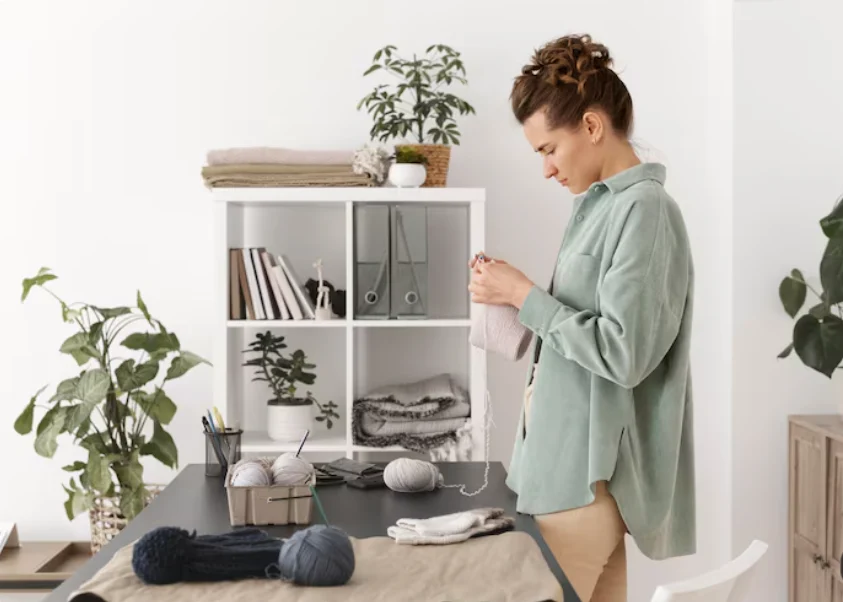
A small home can feel comfortable and practical when everyday belongings have suitable places. Problems often arise when storage is difficult to reach, furniture occupies valuable space without serving enough purpose, or frequently used items have no clear home.
Creating better storage begins with understanding how each room works. The aim is to make belongings easy to find, use, and put away while preserving space for daily activities.
With thoughtful arrangements and a few adaptable solutions, compact rooms can support more functions without feeling overcrowded.
Start With What You Actually Need to Store
Before buying shelves or organizers, review the belongings in each area. Group similar items and identify what is used daily, occasionally, or rarely.
This helps establish the right kind of storage. Everyday cooking utensils need convenient access, while seasonal decorations can occupy a less accessible cupboard.
Measure both the available space and the items that need to fit. An attractive basket provides little benefit if it is too narrow for its contents or prevents a cabinet door from closing.
Removing unwanted duplicates and damaged items can also reveal capacity that was already available.
Choose Furniture That Includes Storage
Furniture with built-in compartments can make useful space within an existing footprint. A storage bench near the entrance might hold outdoor accessories while providing somewhere to sit when putting on shoes.
Other options include beds with drawers, ottomans with removable lids, and coffee tables with shelves. Choose according to the room’s actual needs rather than the number of compartments advertised.
Check how the storage opens. A drawer needs clearance, while a lifting lid requires space above it. Consider whether accessing the contents will involve moving other furniture.
The best multifunctional piece performs each role comfortably.
Use Vertical Space Thoughtfully
Wall space can provide storage without taking up additional floor area. Shelves, hooks, and suitable cabinets can make use of areas above desks or alongside existing furniture.
Place frequently used items within comfortable reach. Higher shelves are better suited to lightweight belongings that are needed less often.
Keep the overall arrangement manageable. Filling every wall can make a compact room feel crowded, particularly when all the contents remain visible.
Shelves and tall units should be installed or secured appropriately for their weight, wall type, and manufacturer’s instructions.
Make Better Use of Cupboards and Drawers
Existing cupboards often contain unused height or awkward gaps. Adjustable shelves, shelf risers, and removable baskets can divide these spaces more effectively.
Drawer dividers help keep small items from becoming mixed together. In kitchens, upright organizers can make trays, chopping boards, and lids easier to remove without disturbing a stack.
Choose organizers that support the contents rather than consume most of the available room. A simple divider may be more useful than a bulky system with many small sections.
Leave enough space to return items easily. Storage that requires careful rearrangement after every use is difficult to maintain.
Turn Overlooked Areas Into Useful Storage
Spaces beneath beds, above doorways, or beside appliances may offer additional capacity when used carefully.
Under-bed containers can hold spare bedding or seasonal clothing. Check clearance and accessibility before choosing them, and select containers suited to the room’s conditions.
A narrow gap might accommodate a slim movable unit, provided it does not obstruct appliance ventilation or access. The back of a cupboard door may support a lightweight organizer if hinges and clearance allow it.
Avoid treating every empty area as storage space. Doorways, ventilation openings, and essential access routes need to remain clear.
Create Storage Where Activities Happen
Belongings are easier to put away when their storage is close to where they are used.
A small tray near the entrance can collect keys. A basket beside a chair can hold reading material. A compact work area might need one drawer for stationery and a designated place for charging cables.
These arrangements reduce the habit of leaving items on unrelated surfaces. They also make tidying quicker because each object has an obvious destination.
For shared homes, explain the arrangement and adjust it if household members consistently find another location more convenient.
Balance Open and Closed Storage
Open shelves can display books, plants, and personal objects while keeping selected items accessible. Closed storage can contain practical supplies and visually busy collections.
Combining the two allows a room to feel personal without exposing every possession.
Keep open displays selective and leave some breathing space between groups. Inside closed cabinets, use labels where containers look similar or their contents are difficult to see.
Coordinated containers can create a tidy appearance, but matching everything is less important than making the system understandable.
Keep Storage Flexible
A small home may need to support changing routines. A dining area might also serve as a workspace, while a bedroom may occasionally accommodate guests.
Movable carts, stackable containers, and adjustable shelving can adapt to these changes. Choose pieces that can be reassigned rather than designed for only one narrow purpose.
Review the arrangement periodically. If a drawer repeatedly overflows or a shelf remains unused, the system may need adjustment.
Functional storage makes ordinary actions easier: finding clothes, preparing food, starting work, and clearing space afterward. By matching storage to real habits and available dimensions, a small home can feel more organized and comfortable without needing more floor space.
Read More: The Importance of Lighting in Designing Comfortable Home Interiors
