
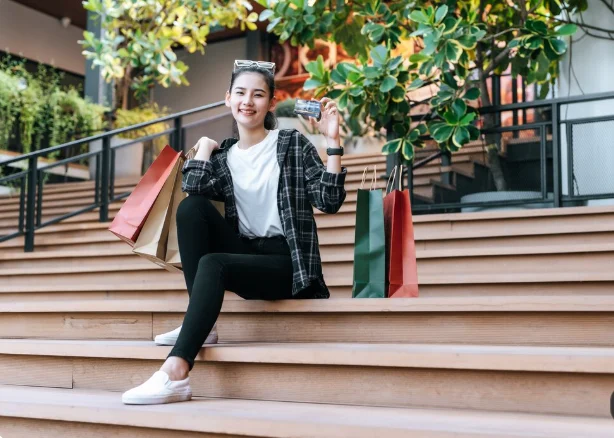
Personal style develops through everyday choices: the colors you return to, the shapes you enjoy wearing, and the small details that make an outfit feel familiar. It does not require a constantly changing wardrobe or a large clothing budget.
Expressing yourself through clothing begins with noticing what you like and finding ways to use it in daily life. A simple outfit can become distinctive through its proportions, accessories, or combination of materials. Experimenting with clothes you already own is often the most useful place to start.
Identify What You Enjoy Wearing
Before searching for new outfit ideas, look at the pieces you reach for most often. Consider what makes them appealing. It might be a relaxed fit, a particular neckline, a bold print, or fabric that feels comfortable throughout the day.
Notice the outfits that remain unworn too. A garment may look attractive on a hanger but require constant adjustment or feel unsuitable for your routine.
Use these observations to identify a few preferences. Words such as relaxed, structured, colorful, understated, or playful can help describe them. These preferences provide direction without becoming rules you must follow.
Make Color Part of Your Signature
Color is an accessible way to give everyday outfits character. You might prefer earthy shades, bright contrasts, soft pastels, or a mostly neutral wardrobe with occasional accents.
Begin with one color you genuinely enjoy. Repeat it through different items, such as a shirt, scarf, bag, or pair of shoes. This can create a recognizable thread across otherwise different outfits.
For a coordinated combination, try related shades with slightly different depths. A pale blue shirt with navy trousers offers variation while maintaining a clear connection.
If you enjoy stronger contrasts, introduce one at a time and assess the complete outfit in natural light.
Experiment With Shape and Proportion
The relationship between garments can change an outfit as much as their color. A loose shirt tucked partly into trousers creates a different shape from the same shirt worn open over a fitted top.
Try small adjustments:
- Roll or push up sleeves.
- Tuck a top fully or partially.
- Wear a jacket open instead of fastening it.
- Combine a shorter outer layer with a longer shirt.
- Use a belt to adjust the outline of a loose garment.
These changes help you discover which proportions feel comfortable and intentional. There is no single formula that works for every body or preference.
Combine Textures for Subtle Interest
Texture can make a simple outfit feel considered without adding more color or pattern.
Denim, cotton, knitwear, linen, leather, and other materials each have a different surface and structure. A soft knit paired with crisp trousers creates contrast, while a textured jacket can add depth to a plain shirt.
Consider practical compatibility as well as appearance. Bulky fabrics may feel uncomfortable when layered, and delicate materials can catch on rough accessories.
Start with two contrasting textures and build from there. The goal is a combination that looks interesting and remains easy to wear.
Use Accessories With Purpose
Accessories can change the mood of familiar clothes. A patterned scarf, distinctive watch, pair of earrings, or structured bag can give a basic outfit a personal emphasis.
Choose a focal point if you want the result to feel clear. One noticeable accessory may be enough, particularly when the clothing already includes strong colors or prints.
Meaningful objects can also contribute character. An inherited piece of jewelry or a well-used bag may reflect your history more closely than a newly purchased trend item.
Check that accessories work with the day’s activities. Personal style becomes more convincing when you can move comfortably in it.
Rework Familiar Combinations
Wardrobes often feel repetitive because the same items are paired automatically. Separating those combinations can reveal possibilities without requiring anything new.
Try wearing a favorite work shirt with weekend trousers or combining a dress with a lightweight layer you usually reserve for another outfit. Shoes can also shift the overall impression of familiar clothes.
Set aside a little time to experiment when you are not rushing to leave. Photograph combinations you like so they are easy to remember later.
A small collection of reliable outfit ideas can make getting dressed simpler while preserving variety.
Adapt Inspiration to Your Own Life
Photographs, films, art, and people you encounter can all provide styling ideas. Rather than copying an entire look, identify the detail that interests you.
Perhaps it is the contrast between a bright bag and muted clothing, or the way a jacket changes a silhouette. You can explore that idea using pieces that suit your climate, comfort, and routine.
This approach allows inspiration to become personal. It also reduces the pressure to buy every item shown in an appealing image.
Let Your Style Develop Gradually
Personal style does not need to remain fixed. Preferences can change as your activities, surroundings, and confidence evolve.
Keep experimenting, but pay attention to what you enjoy wearing repeatedly. Useful purchases fill a clear gap and work with existing clothes. Alterations or repairs may also make a familiar piece more satisfying to wear.
Everyday style becomes distinctive through repeated, thoughtful choices. By exploring color, proportion, texture, and meaningful details, you can create outfits that feel expressive while still supporting the practical needs of your day.
Read more: How Minimalist Fashion Can Simplify Everyday Wardrobe Decisions
