
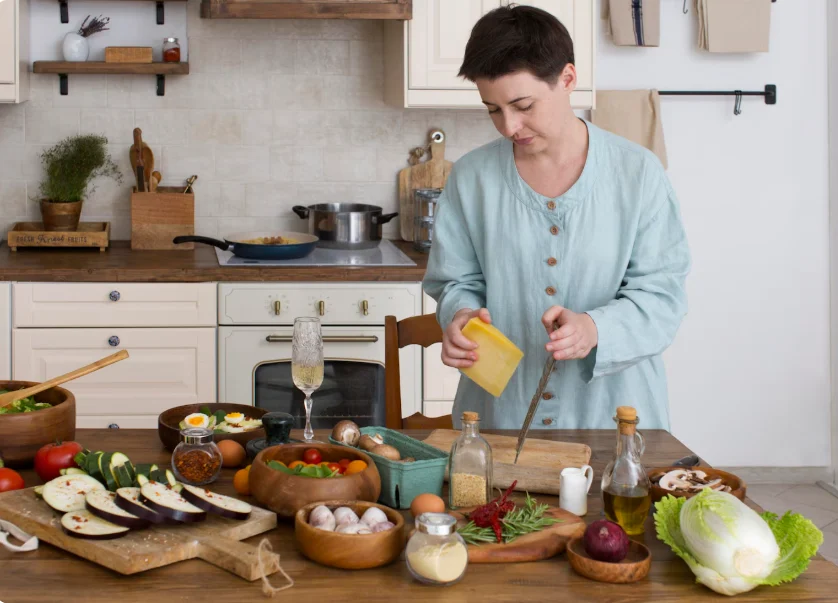
Preparing a satisfying meal does not require expensive ingredients or complicated recipes. Familiar foods such as lentils, rice, eggs, vegetables, and yogurt can become the foundation of varied homemade dishes.
The challenge is often deciding what to make and finding an approach that fits your schedule. A few reliable ingredients and cooking methods make that process easier. Instead of learning a new recipe every evening, you can build meals around flexible combinations and adjust them to your preferences.
Start With a Simple Meal Structure
Think about the different roles ingredients play in a meal. Vegetables provide variety, color, and texture. Grains or starchy foods add substance, while beans, lentils, eggs, fish, meat, tofu, or other protein foods help make the meal more complete.
For example, a bowl of rice can become a full meal when served with lentils and cooked vegetables. An omelet can be paired with whole-grain toast and a tomato salad. Chickpeas, roasted vegetables, and a yogurt dressing can fill a wrap.
This structure provides direction without requiring precise recipes. Adjust ingredients and portions to your appetite, needs, and any dietary guidance you follow.
Keep a Small Collection of Versatile Staples
Choose ingredients that work in several dishes rather than buying something different for every recipe.
Useful staples might include:
- Rice, oats, pasta, or whole-grain bread.
- Lentils, beans, or chickpeas.
- Eggs, tofu, or another preferred protein.
- Onions, carrots, cabbage, and other vegetables you enjoy.
- Frozen vegetables for convenient additions.
- Plain yogurt, milk, or suitable alternatives.
- Cooking oil, herbs, and a few regularly used spices.
Your list should reflect what you actually eat. An ingredient is only convenient if you know how to use it and enjoy the result.
Plan a Few Meals Before Shopping
A short plan helps connect ingredients with meals. Check your cupboards, refrigerator, and freezer before making a shopping list.
Choose two or three main dishes that share ingredients. Spinach could appear in an omelet and a lentil dish, while carrots might work in a tray bake and a soup.
Leave room for changes. Planning “vegetable pasta” allows you to select suitable produce without depending on one specific item being available.
Consider time as well as ingredients. Save more involved cooking for days when you can manage it, and keep quicker options available for busy evenings.
Learn Cooking Methods You Can Repeat
A few basic techniques can produce many different meals.
One-pot cooking works well for soups, lentils, stews, and some rice dishes. Ingredients cook together, making preparation and cleanup more manageable.
Roasting can bring together vegetables and an appropriate protein on a tray. Cut ingredients with cooking times in mind and check that everything is properly cooked before serving.
Quick sautéing suits smaller pieces of vegetables, tofu, and other ingredients. Prepare what you need before heating the pan so the process stays organized.
Once you understand a method, change the seasonings or main ingredients to create variety.
Add Flavor With Familiar Ingredients
Simple meals become more appealing when flavor and texture receive attention.
Onion, garlic, ginger, herbs, and spices can provide a foundation. Lemon or lime can add brightness, while yogurt can create a creamy dressing or accompaniment.
For example, cooked chickpeas can be warmed with onion, tomato, and spices, then served with rice. The same chickpeas can form a salad with cucumber, herbs, and a lemon dressing.
Taste as you cook where appropriate, and adjust gradually. You do not need a large spice collection; begin with combinations you already enjoy.
Make Convenient Ingredients Part of the Plan
Homemade cooking can include frozen vegetables, canned beans, and other prepared basics. These can reduce preparation time and provide useful alternatives when fresh ingredients are unavailable.
Read labels to compare similar products, particularly where salt, added sugars, or sauces may differ. Choose options that suit the meal and your dietary needs.
Convenience can also come from your own preparation. Washing suitable produce, portioning ingredients, or making a dressing ahead of time can remove steps from the evening routine.
Use Leftovers Deliberately
Plan how extra portions will be used rather than leaving them without a purpose. A vegetable dish might accompany lunch the next day, while leftover cooked ingredients could become part of a different meal.
Follow appropriate food-safety guidance for storage and reheating, especially for foods such as cooked rice, meat, and fish. Refrigerate promptly, label stored portions, and freeze suitable extras when they will not be used soon.
Prepare quantities that match your household. Batch cooking is helpful when the food gets eaten and storage space is available.
Build a Routine Around Meals You Enjoy
Start with a few dependable meals and repeat them until preparation feels comfortable. Add another option when you want variety.
Nutritious homemade cooking becomes more manageable when ingredients are familiar, plans are flexible, and the food suits your taste. With a small collection of staples and practical techniques, everyday meals can be satisfying without becoming complicated.
Read More: Why Budget Planning Is Essential for Managing Household Expenses
