
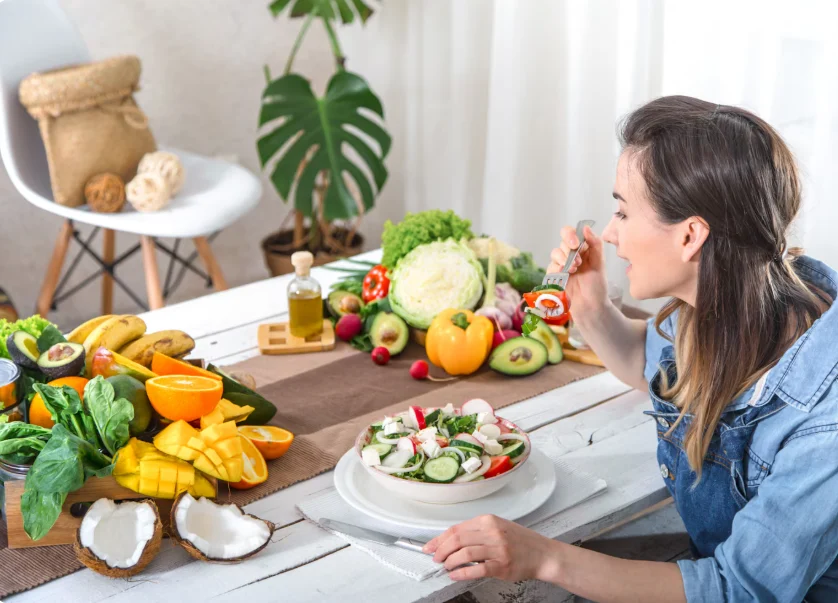
A change in the vegetable market can be an invitation to change what you cook. Tender greens, fresh peas, summer squash, or hearty roots each bring different flavors and possibilities to everyday meals.
Eating seasonally means choosing vegetables during their usual harvest period in the region where they are grown. Availability varies with climate, farming practices, and location, so a seasonal choice in one place may be different elsewhere.
Including more seasonal vegetables can bring variety to your diet, make cooking more interesting, and help you shop with greater attention to freshness and value.
Enjoying Vegetables at Their Best
Vegetables harvested at a suitable stage of maturity can offer appealing flavor and texture. A crisp radish, tender bean, or freshly picked leafy green may need only simple preparation to become an enjoyable part of a meal.
Freshness also depends on handling and storage. A locally grown vegetable kept poorly may be less appealing than produce transported and stored carefully.
Use appearance, firmness, smell, and the condition of leaves or stems as practical clues when shopping. Ask sellers about unfamiliar varieties and how recently they arrived.
Finding vegetables you genuinely enjoy can make them easier to include regularly.
Bringing More Variety to Everyday Eating
Shopping from the same list each week can lead to repetitive meals. Seasonal availability encourages you to explore vegetables you might otherwise overlook.
Different vegetables contribute different combinations of nutrients and fiber. Choosing a range over time helps create a more varied eating pattern without requiring every meal to contain a long list of ingredients.
Try introducing one unfamiliar vegetable alongside foods you already like. Add seasonal greens to lentils, serve roasted roots with a familiar main dish, or mix fresh peas into rice.
This gradual approach can make variety feel manageable rather than demanding.
Making Simple Cooking More Appealing
Good ingredients do not always need complicated recipes. Seasonal vegetables can become the center of a meal through straightforward methods such as roasting, steaming, sautéing, or adding them to soups.
Texture helps guide the method. A tender vegetable may need brief cooking, while a firm root can suit a slower roast or stew. Tasting during preparation helps you find the result you prefer.
A little seasoning can provide contrast. Lemon juice, herbs, spices, yogurt, or a suitable dressing can complement the vegetable without overwhelming its flavor.
Learning a few flexible methods makes it easier to adapt when availability changes.
Finding Opportunities for Better Value
Vegetables may become more affordable when harvests are plentiful, although prices also depend on weather, transport, demand, and local supply.
Compare prices rather than assuming that seasonal produce is always cheaper. Consider the amount you can use, how much preparation is required, and whether part of the vegetable will be discarded.
A large bargain purchase offers limited value if it spoils before you cook it. Smaller quantities may suit your household better.
Frozen vegetables can also be useful when fresh choices are expensive or inconvenient. Seasonal eating does not need to exclude practical alternatives.
Building Meals Around What Is Available
Planning around available vegetables can simplify shopping. Start with two or three options that look good and suit your budget, then combine them with familiar staples.
For example, one group of vegetables might serve several purposes: a side dish, a filling for wraps, and an addition to soup. Changing the seasoning or cooking method keeps those meals from feeling identical.
Include suitable protein foods and other meal components according to your needs. Vegetables add variety, but they do not need to carry the whole meal on their own.
A flexible plan makes substitutions easier when your preferred ingredient is unavailable.
Reducing Avoidable Food Waste
Seasonal shopping works best when paired with realistic storage and preparation habits. Before buying more, check what you already have and identify which items need using first.
Different vegetables require different storage conditions. Leafy greens and firm roots, for example, do not always keep well in the same way. Follow suitable storage guidance for each type.
Keep an adaptable meal in your routine, such as soup, a cooked vegetable filling, or a grain bowl, that can use suitable ingredients before they deteriorate.
Use edible stems or leaves where appropriate, but check unfamiliar parts rather than assuming every portion of a plant is safe to eat.
Connecting Food with Local Growing Cycles
Buying seasonal vegetables can make the relationship between food and place more visible. Markets, farm shops, and community growing projects offer opportunities to learn which crops suit the region.
Conversations with growers may introduce different varieties, cooking ideas, and explanations for changes in availability.
Environmental impact still depends on more than seasonality or distance. Growing methods, storage, transport, and waste all matter. A seasonal label alone does not establish that one product has a lower overall impact than another.
Developing a Flexible Seasonal Habit
Start by noticing what changes in the produce section and choosing one vegetable to build a meal around. Keep preparation simple and note which combinations your household enjoys.
Seasonal eating does not require strict rules. It can coexist with frozen produce, canned vegetables, and familiar ingredients available throughout the year.
Its lasting benefit is the opportunity to approach vegetables with curiosity. By responding to availability, flavor, and practical needs, you can make everyday meals more varied and enjoyable.
Read MoreHow to Prepare Nutritious Homemade Meals with Simple Ingredients
