
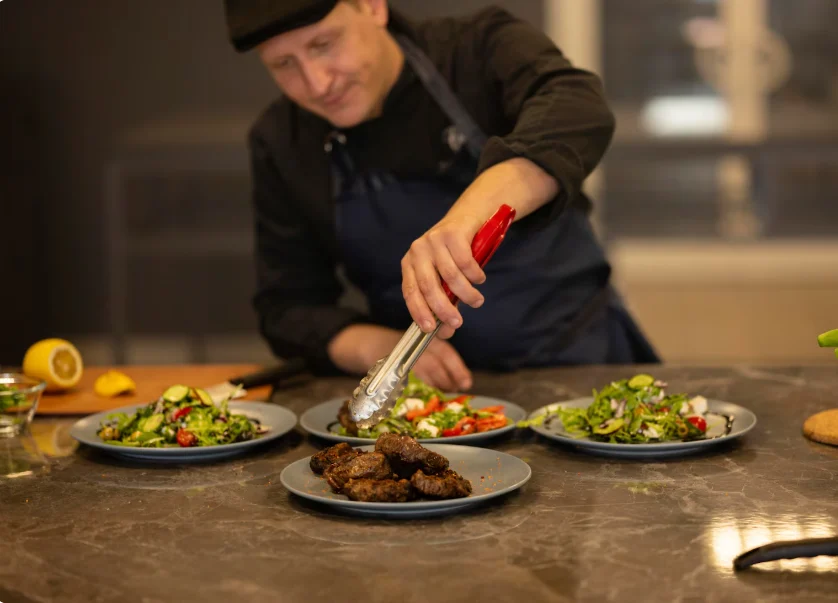
A meal begins making an impression before the first bite. The arrangement of ingredients, the choice of plate, and the contrast between colors can suggest freshness, care, and the style of cooking to come.
Food presentation gives diners an introduction to a dish. It helps them recognize its main elements, anticipate textures, and understand how the components might work together. When appearance supports flavor and practical enjoyment, even a simple meal can feel thoughtfully prepared.
Memorable presentation does not require elaborate decoration. Often, a clear arrangement and attention to a few details are enough.
Creating a Welcoming First Impression
The moment a dish arrives helps establish the dining experience. A clean plate, an intentional arrangement, and appropriately served ingredients communicate care.
This applies at home as well as in restaurants. Toast with neatly arranged toppings or soup served with a considered finishing touch can make an everyday meal feel inviting.
Presentation also sets expectations. A generous shared platter suggests a different experience from a carefully portioned tasting dish. Both can be appealing when their appearance suits the occasion.
The aim is to make the food look ready to enjoy, in a way that matches how it will be eaten.
Helping Diners Understand the Dish
A thoughtful arrangement makes the main ingredient and supporting components easy to identify. It can show which sauce belongs with a particular element or reveal contrasting textures.
For example, placing roasted vegetables beside a grain dish allows diners to see their color and shape. Mixing everything together may create a different visual effect, which could be equally appropriate for a rustic preparation.
Neither approach is automatically better. The choice depends on the dish and the intended experience.
Useful presentation provides a clear path into the meal without requiring an explanation for every bite.
Using Color to Add Interest
Color can make a plate visually engaging, especially when it comes naturally from the ingredients. Green herbs, roasted orange vegetables, dark leafy greens, and pale sauces can provide contrast.
A dish with a limited color palette can still look appealing. Browning, texture, and plate choice may create enough variation without adding unrelated ingredients.
Garnishes should have a reason to be there. A colorful addition is more successful when its flavor belongs with the rest of the food.
Color should support the recipe rather than encourage unnecessary decoration.
Making Texture Visible
Texture is part of both appearance and eating. Crisp edges, smooth purées, crumbly toppings, and glossy sauces create different visual cues.
Presentation can preserve these qualities. Keeping a crisp component away from excess sauce until serving may help it retain its intended texture. Leaving part of a main ingredient uncovered can show its browned surface.
However, diners should still be able to combine the components comfortably. Separating everything too widely may make a dish look orderly while making it awkward to eat.
The arrangement works best when it helps deliver the intended mixture of flavors and textures.
Choosing Suitable Plates and Serving Dishes
Tableware influences how food is framed. A shallow bowl can contain a saucy preparation, while a broad platter may suit food intended for sharing.
Size matters. An overcrowded plate can make food difficult to manage, but an unnecessarily large plate may make a suitable portion appear sparse.
Color and pattern also affect the overall impression. Plain tableware offers a simple background, while patterned pieces can contribute character when they complement the food.
Practical details deserve attention too. The serving dish should suit the food’s temperature, weight, and method of service.
Matching Presentation to the Occasion
A relaxed family dinner does not need the same arrangement as a formal celebration. Comfortable, generous serving can be more appropriate than individual decorative plates.
Cultural traditions should also guide decisions. Shared bowls, communal platters, and specific serving sequences can be central to how a meal is experienced.
Respecting those practices helps preserve the connection between food and its setting. Presentation includes how the meal reaches the table and how people share it.
A memorable experience often comes from consistency between the cooking, service, and atmosphere.
Keeping Flavor and Comfort Central
An attractive dish still needs to arrive at the right moment and be easy to eat. Spending too long arranging food can allow hot components to cool or delicate ingredients to lose their quality.
Avoid decorations that obstruct cutting, unstable stacks, or garnishes that diners cannot comfortably identify. Clean plate edges and accessible portions often contribute more than complicated structures.
Preparing tableware and finishing ingredients in advance can make thoughtful presentation easier without delaying service.
Making Everyday Meals Feel Considered
Small habits can improve presentation: use an appropriate plate, arrange the main components deliberately, add sauce with control, and remove accidental spills before serving.
These choices require observation more than expensive equipment. Over time, they help cooks understand which arrangements suit their recipes.
Food presentation matters because it connects preparation with the diner’s first experience of the meal. When appearance, flavor, and ease of eating work together, a dish can feel complete—and become a meal people remember with pleasure.
Read More: Exploring the Benefits of Including More Seasonal Vegetables in Your Diet
