
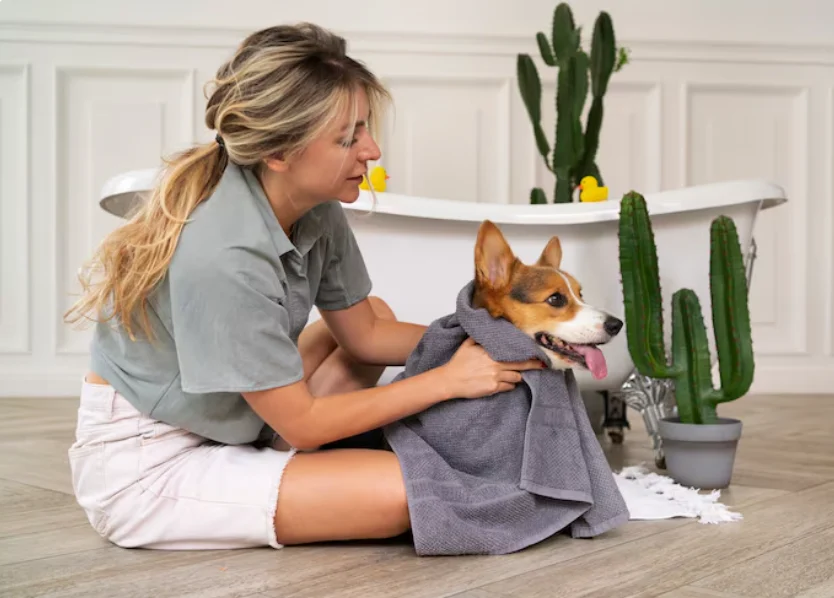
Grooming is about more than appearance. Removing loose fur, checking paws, and keeping familiar resting areas clean can make everyday life more comfortable for pets. Regular care also gives owners opportunities to notice changes that might otherwise remain hidden beneath a coat.
The right routine depends on the animal’s species, coat, age, and tolerance for handling. The practices below focus mainly on cats and dogs. Rabbits, birds, and other pets have different requirements and need species-specific guidance.
Begin With Short, Calm Sessions
A grooming routine is easier to maintain when the pet feels comfortable participating. Choose a quiet location with a stable, nonslip surface and keep the necessary tools nearby.
Start with brief handling and reward calm behavior with something the pet enjoys. Introduce brushes, paw touching, and other activities gradually rather than attempting everything at once.
Watch for signs of discomfort, such as pulling away, struggling, or escalating tension. Pause before the session becomes a confrontation. The ASPCA recommends professional assistance when grooming creates a risk of injury to the animal or person. ASPCA
Brush According to Coat Type
Brushing removes loose hair and surface debris while helping prevent tangles. The appropriate tool and frequency depend on the coat.
Long-haired cats and dogs may need daily attention, while some short coats require less frequent brushing. Use gentle strokes and pay attention to areas where friction encourages tangles, including behind the ears and around the legs.
The ASPCA advises regular coat care and checking for wounds, hair loss, inflammation, and parasites during grooming. aspca.org
Avoid repeatedly brushing over irritated skin. If you are unsure which tool suits the coat, ask a qualified groomer or veterinarian for a demonstration.
Deal With Tangles Before They Become Tight Mats
Small tangles can develop into dense mats that pull on the skin. Regular, gentle combing helps identify them early.
Do not tug at a knot or force a comb through it. Tight mats, especially those close to the skin, are best assessed by a professional. Cutting them out with scissors can injure skin caught within the mat; the ASPCA specifically warns against using scissors near the skin for this purpose. aspca.org
If matting repeatedly returns, review the brushing technique and grooming schedule rather than waiting for it to become extensive.
Bathe Only When Appropriate
Bathing needs differ considerably. Dogs may need baths according to their activities, coat, and skin condition. Most cats keep themselves relatively clean and rarely require routine bathing. ASPCA
When a bath is appropriate, use lukewarm water and a product specifically suitable for the species. Follow the product instructions, avoid the eyes and ear canals, rinse thoroughly, and dry the pet gently.
The ASPCA emphasizes species-appropriate shampoos because ingredients suitable for one animal may be harmful to another. ASPCA
A prescribed bathing routine takes priority over general advice. If the coat is contaminated with an unknown substance, contact a veterinarian before using a cleaning product or allowing the pet to lick it.
Check Paws and Maintain Nails Carefully
Paws can collect dirt or small pieces of debris. Look between the toes and inspect pads gently, particularly after outdoor activity.
Remove ordinary surface dirt with an appropriate damp cloth and dry the area. Pain, swelling, persistent licking, or a lodged object needs veterinary attention rather than repeated handling.
Nail care also requires care. Ask a veterinarian or groomer to show you the correct technique and how to avoid the sensitive tissue within the nail. If you cannot identify a safe trimming point or the pet becomes distressed, arrange professional help.
Keep Facial Care Gentle
Food residue and moisture can gather around the mouth or within facial folds. Clean only the external area using a soft cloth and a method appropriate for the pet, then dry skin folds carefully.
Around the eyes, avoid rubbing or applying stain-removal products without veterinary guidance. Redness, squinting, swelling, or unusual discharge warrants assessment.
Check the visible outer ears, but do not insert cotton buds or tools into the ear canal. Odor, soreness, discharge, or frequent head shaking should be investigated before trying cleaners.
Clean Bedding and Grooming Tools
A freshly groomed pet still needs a clean environment. Wash bedding according to its care instructions, remove trapped fur, and allow fabrics to dry thoroughly.
Clean brushes and combs regularly and inspect them for damaged teeth or sharp edges. Store grooming products securely so pets cannot chew containers or lick spills.
These small tasks support the routine without requiring excessive washing or strongly fragranced products.
Use Grooming to Notice Changes
Regular care helps you become familiar with your pet’s normal coat and behavior. New lumps, sore areas, persistent odor, or a sudden decline in self-grooming deserve attention.
A comfortable grooming routine combines gentle handling, suitable tools, and realistic expectations. Short, consistent sessions—and professional help when needed—can keep pets cleaner while making care a more manageable part of daily life.
Read More: How to Create a Healthy Feeding Routine for Dogs and Cats
