
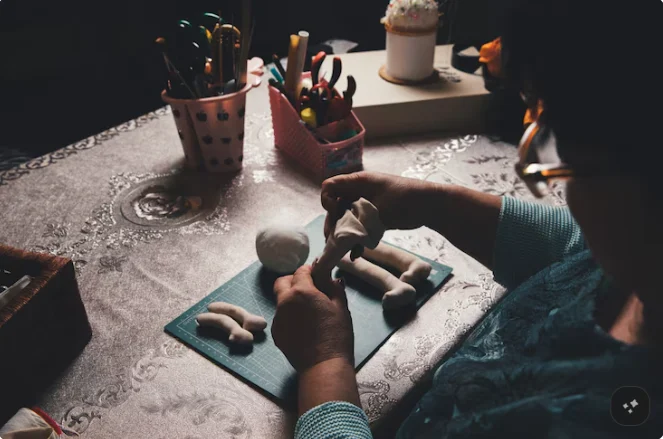
Digital tools have expanded the ways people create and experience art. Images can be edited quickly, shared widely, and reproduced with remarkable consistency. Yet a handwoven textile, carved wooden figure, or glazed ceramic bowl continues to offer something people appreciate: a direct encounter with materials shaped through human skill.
Traditional handcrafted art remains valuable because its significance extends beyond appearance. It carries knowledge, reflects cultural practices, and reveals decisions made throughout a physical process. Its place in contemporary life comes from these qualities, alongside the new opportunities digital technology provides.
The Skill Behind a Finished Object
A handcrafted object may look simple, but its creation often involves years of practice. A potter learns how clay responds to pressure and moisture. A woodcarver studies grain direction. A weaver develops control over tension, pattern, and structure.
These abilities involve judgment that changes with the material. Two pieces of wood may require different approaches, even when the intended design is similar.
Understanding this work changes how an object is valued. The price reflects more than raw materials and production time; it also represents preparation, technical knowledge, and the ability to respond when something does not go as planned.
Skilled craftsmanship makes those decisions visible through the quality of the finished piece.
Individual Character and Material Variation
Handmade objects often contain subtle differences. The curve of a vessel, the placement of a stitch, or the marks left by a tool can distinguish one piece from another.
Such variation is not automatically a sign of quality. Poor construction remains poor construction, whether an object is handmade or machine-produced. However, thoughtful variations can reveal the maker’s process and give a well-made object its individual character.
Materials contribute their own differences. Wood grain, natural fibers, and clay surfaces can influence the result in ways that cannot be fully standardized.
For collectors and everyday users, these details can make an object feel particular and recognizable.
Preserving Cultural Knowledge
Traditional crafts can carry information about a community’s history, environment, and ways of living. Techniques may develop around locally available materials, while patterns and forms may reflect regional preferences or particular occasions.
Preserving a craft involves more than saving finished objects. It also requires opportunities for people to learn how those objects are made.
Workshops, apprenticeships, family teaching, and community projects can help maintain practical knowledge. Supporting working artisans gives that knowledge a place in contemporary life.
Traditions also change. Makers may develop new forms or adapt products for different uses while retaining meaningful techniques. This capacity for thoughtful change helps craftsmanship remain relevant.
Offering a Physical Experience
Screens provide convenient access to images, but they cannot fully communicate an object’s weight, texture, balance, or surface.
A handwoven blanket is experienced through touch and use. A ceramic cup reveals its proportions when held. A carved panel changes as light moves across its surface.
These physical qualities connect art with the spaces and routines of daily life. An object may be appreciated repeatedly through ordinary interaction rather than viewed only as an image.
This does not diminish digital art, which offers its own creative possibilities. It explains why physical craftsmanship continues to serve a distinct purpose.
Creating Connections Between Makers and Buyers
Knowing who made an object can deepen its meaning. A conversation with an artisan may reveal why a material was chosen, how a design developed, or which stage required the most care.
That information helps buyers understand what they are purchasing. It can also support more informed questions about origin, production methods, and attribution.
Clear descriptions matter. Terms such as “handmade” can cover different levels of manual work, so makers and sellers should explain their processes accurately.
A genuine connection depends on transparency rather than an appealing story alone.
Supporting Repair and Long-Term Use
Some handcrafted objects are designed to be maintained, repaired, or refinished. A well-constructed wooden piece may be restored, while certain textiles can be mended.
However, handmade production is not inherently sustainable. Material sourcing, durability, finishing substances, transport, and working conditions all influence environmental and social impacts.
The strongest case for responsible craftsmanship rests on specific practices: appropriate materials, careful construction, useful repair options, and fair treatment of makers.
When these qualities encourage people to keep and care for an object, its value can continue developing through use.
Using Digital Tools to Strengthen Traditional Craft
Digital technology can help artisans document techniques, explain their work, communicate with customers, and reach audiences beyond local markets.
Online photographs and videos can reveal stages of production that buyers would otherwise never see. Digital records can also support teaching, although practical instruction remains important for skills involving touch and movement.
These opportunities work best when makers retain appropriate recognition and control over how their work is presented.
Traditional handcrafted art continues to matter because it combines material knowledge, practiced judgment, and cultural meaning. Digital tools can extend its reach, while the objects themselves offer lasting opportunities to notice, understand, and appreciate the work of human hands.
Read more: Exploring the Role of Color and Texture in Contemporary Art
