You’re texting someone, and they suddenly end their message with “tm.” At first, it feels confusing. I remember the first time I saw it in a late-night group chat. I thought maybe it was a typo or someone forgot to finish their sentence. But then I started noticing people using it in different ways online.
Sometimes it referred to tomorrow, while other times it had completely different meanings.
That’s when I realized “tm” is one of those internet abbreviations that depends heavily on context. Once you understand the common meanings, it becomes much easier to recognize in chats and social media conversations.
Quick Answer
“TM” in text usually means “Tomorrow,” but it can also mean “Too Much” or “Text Me” depending on the context.
What Does TM Mean in Text?
TM is a common texting abbreviation with multiple meanings online.
The most popular meanings are
👉 Tomorrow
👉 Too Much
👉 Text Me
1. TM = Tomorrow
This is the most common meaning in texting.
Example
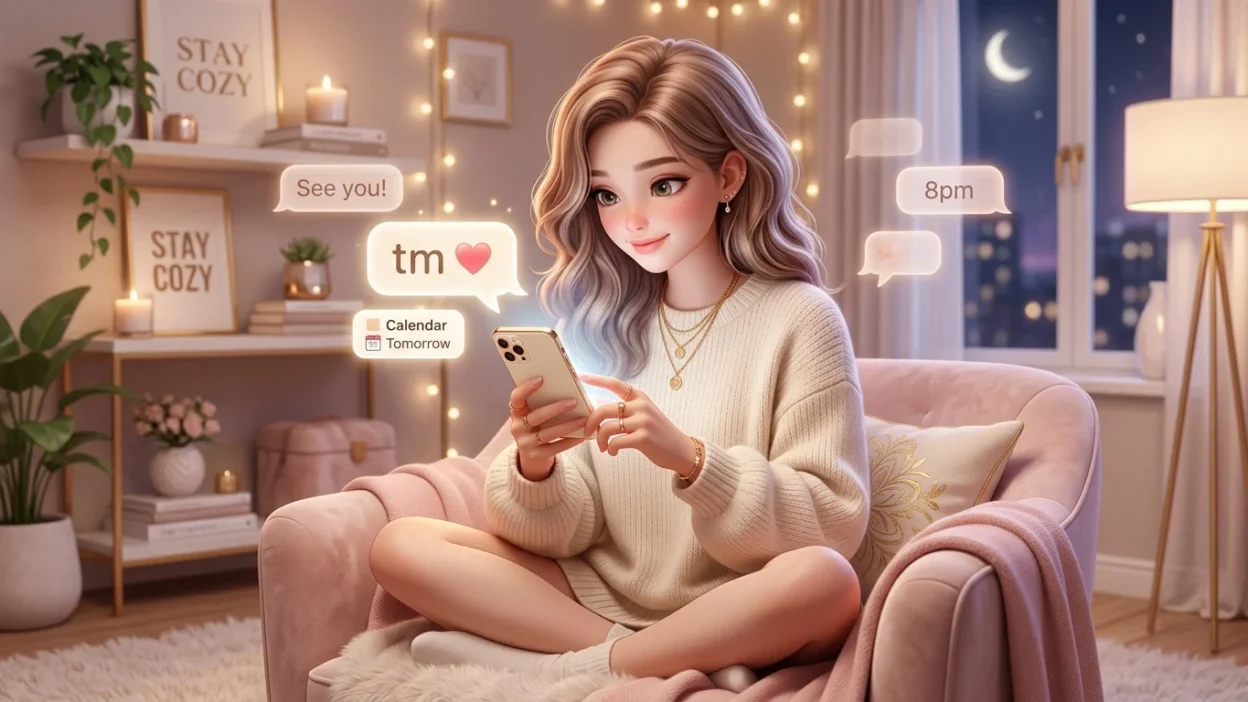
“i’ll call you tm”
👉 This means: i’ll call you tomorrow
2. TM = Too Much
People also use it to describe something excessive or dramatic.
Example
“that was tm 😭”
👉 This means: that was too much
3. TM = Text Me
Sometimes “tm” is used as a quick request.
Example
“tm when you get home”
👉 This means: text me when you get home
👉 In short: “TM” usually means “Tomorrow,” but context changes the meaning.
Why TM Is Popular in Texting Culture
Online conversations move quickly, so people shorten common words and phrases.
“TM” became popular because
It saves typing time
It works in fast conversations
It’s simple and flexible
People understand it from context
Since “tomorrow” is a long word, shortening it to “tm” feels natural in texting culture.
Where Is TM Used?
You’ll commonly see TM meaning in text across many online platforms.
It is commonly used in
Text messages
Instagram and Snapchat DMs
TikTok comments
Gaming chats
Discord conversations
Group chats
The tone is usually casual and informal.
Real Chat Examples
Here’s how people use “tm” in conversations
“see you tm ❤️”
“i’ll finish it tm”
“that drama was tm 😭”
“tm when you arrive”
“bro this homework is tm”
“we hanging out tm?”
“call me tm morning”
“nah that was tm for me 😂”
“tm after school”
These examples show how context changes the meaning.
📊 Do’s and Don’ts Table
| ✔ Do’s (Use TM) | ✖ Don’ts (Avoid TM) |
|---|---|
| use in casual chats | use in formal business emails |
| use with friends | use in academic writing |
| use for quick texting | use where meaning may confuse |
| use in social media conversations | overuse in professional settings |
| use when context is clear | use with unfamiliar audiences |
Tone and Style of TM
“TM” usually feels
Quick
Relaxed
Casual
Convenient
When used as “tomorrow,” it feels neutral and friendly.
When used as “too much,” it sounds emotional or dramatic.
Because it has several meanings, context is very important.
Similar Slang Words and Alternatives
Here are some similar abbreviations
TMRW – Tomorrow
TTYL – Talk To You Later
HMU – Hit Me Up
TXT ME – Text Me
FR – For Real
Quick tip
Use “tm” casually with people who understand texting slang
Use full words if there’s any chance of confusion
FAQs
What does TM mean in text?
It usually means “Tomorrow.”
Can TM mean something else?
Yes, it can also mean “Too Much” or “Text Me.”
Is TM formal or informal?
It’s informal and mostly used in casual chats.
Is TM rude?
No, it’s completely normal online slang.
Who uses TM online?
Mostly younger users, gamers, and social media communities.
Should I use TM professionally?
No, it’s better to use full words in professional communication.
Final Thought
TM meaning in text depends on context, but most commonly it means “Tomorrow.” In some conversations, it can also mean “Too Much” or “Text Me.”
Its popularity comes from how fast and simple it makes online conversations.
Once you understand the context, recognizing “tm” in chats and social media becomes very easy.

Orvian Treloux works on the Wordifs site developing structured blogs coordinating via wordifs@gmail.com to ensure accuracy originality clarity usefulness engagement and long term trust among global readers across digital platforms.